|
Monthly Updates from City of Cambridge DPW Recycling Division
|
|
|
New Trash Carts Coming in June
|
|
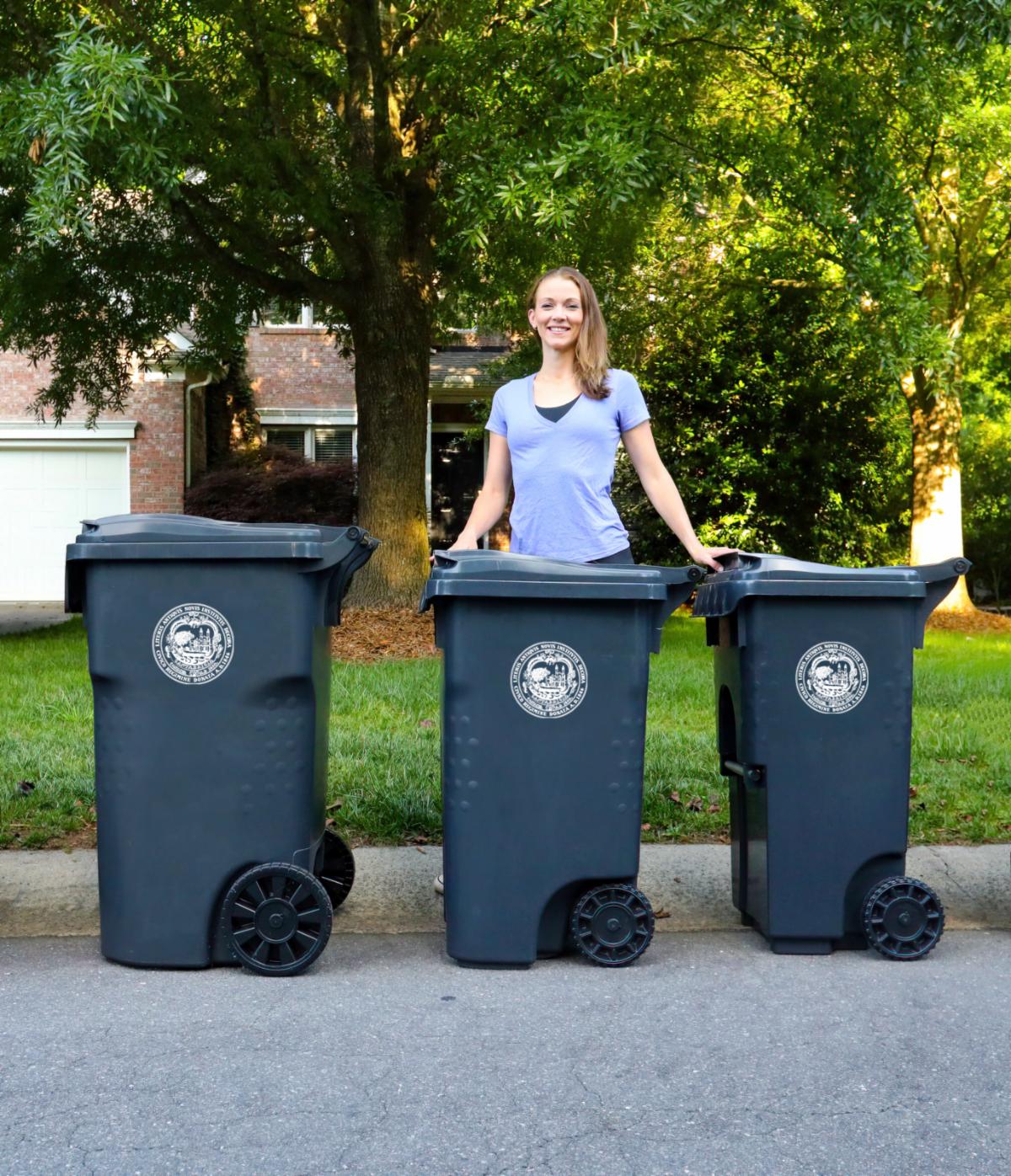
As part of Cambridge’s broader rodent control efforts, the City will be providing trash carts for curbside collection in June 2022. The Department of Public Works (DPW) will be delivering new trash carts to all buildings that receive City trash collection. In addition to reducing rodent access to trash, these new carts will improve ergonomics for DPW staff and improve sidewalk accessibility.
The City will host its first community meeting about the new program on Wednesday, March 2. Register for the meeting. To view the presentation for the community meeting, see here.
The City will send a postcard with information on when new carts will be distributed and how to dispose of old trash barrels. Suggest signing up for this newsletter to neighbors and friends to stay up to date on the new trash cart program and other waste updates.
|
|
|
Rehash It, Don't Trash It
|
|
The February Rehash It, Don't Trash It newsletter is a little different this month. Learn about Daily Table, an innovative new grocery store in Central Square!
The Cambridge Recycling Advisory Committee (RAC), a volunteer group of citizens, writes this section each month.
|
|
|
What happens to Mass. trash?
|
|
|
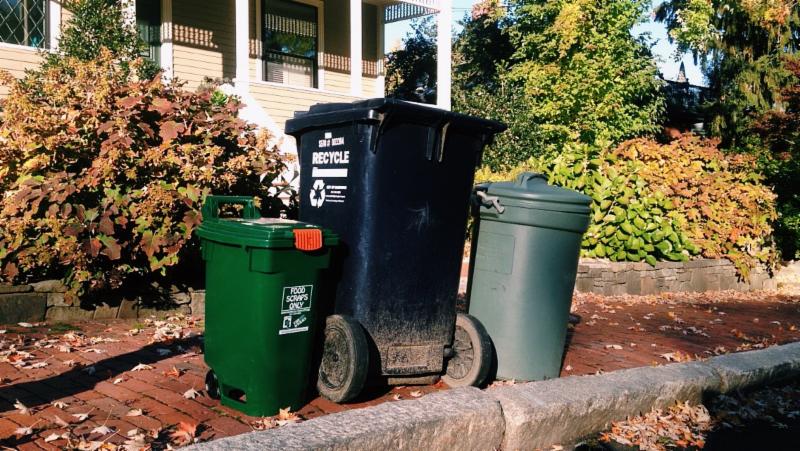
Trash is a growing issue in Massachusetts. Old landfills are closing, and there are no plans to build new landfills or incinerators. Since we aren't reducing trash quickly enough, more of our trash is being exported to neighboring states--more than 1.5 million tons per year, as reported by the Boston Globe.
To assist, Mass. Department of Environmental Protection has added new waste bans. Beginning in November 2022, textiles and mattresses will be banned from the trash. Also, businesses that generate more than 1,000 pounds of food waste per week will be required to compost or donate leftover food.
For Cambridge, there are three things we can do together to reduce our impact:
- Reduce all waste, particularly food waste. Approximately 40% of all wasted food happens at homes.
- Separate all food waste and recycling from the trash. Food and recyclables are the two largest parts of our trash.
- Use the DPW's Get Rid of It Right tool to look up how to dispose of items such as textiles, electronics, and scrap metal, which make up 13% of our trash.
Increasing trash diversion will require a group effort, such as encouraging friends across the city, state, and country. The rules for recycling are mostly the same across jurisdictions. Composting food waste always saves energy and resources. And, finding ways to reuse, reduce, and give away items can help the environment and your neighbors. If you're excelling at Zero Waste, the biggest impact you can have is to help educate a friend or neighbor. Our largest impact doesn't come from one person perfecting a zero waste life, but rather from people helping others to be low waste.
|
|
Tip #1: How to make a difference with glass recycling
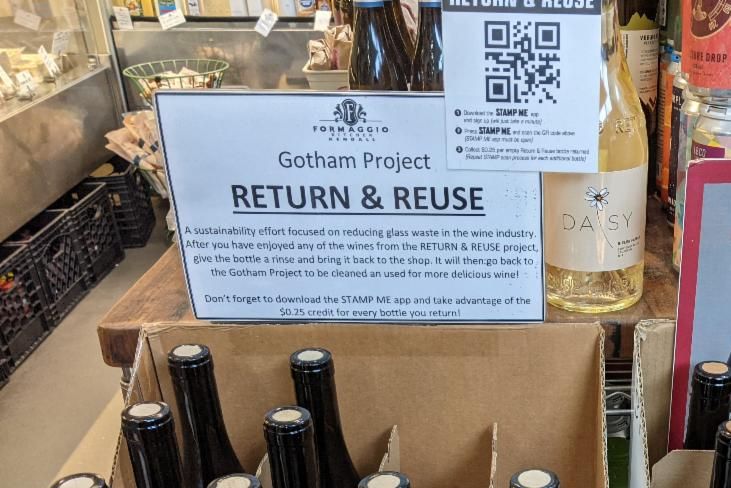
We all know that reduce and reuse come before recycling. For glass, that's not easy. We were excited to learn there's a winery that has a reuse program for their wine bottles at Formaggio.
Glass jars (i.e. salsa, peanut butter, and yogurt jars) are popular for reuse on online sharing groups. In fact, someone reported that they haven't recycled a glass jar in years because she gives them away on Buy Nothing Cambridge!
Recycling your glass curbside is, of course, beneficial. We also recommend recycling glass through the bottle deposit system (if the bottle is accepted). By keeping glass separate from curbside recycling, it becomes easier to recycle - and you don't lose your deposit!
Tip #2: What to do with expanded polystyrene (i.e. Styrofoam)
We strive to provide as much good news about sustainable waste management as possible. For foam, unfortunately, it is not beneficial to recycle economically or environmentally. Here's why:
- Styrofoam is 98% air, so there's very little material to actually recycle.
- A lot of energy is used to transport and compress a small amount of material
After compressing foam, recycling it requires driving it from user to recycler and then to end-user. As a result, the amount of resources used to recycle foam is more than the resources saved. The good news: foam is only 0.1% of our trash.
Although recycling may not work for Styrofoam, there are ways to reuse it. For example, Styrofoam peanuts can be reused in shipments. Let us know if you have any examples of foam reuse so we may share it here!
|
|
|
Upcoming Dates
Email us to share other waste-related events!
|
|
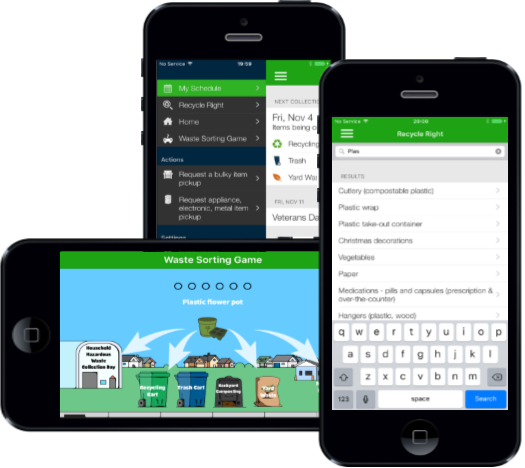
Download the Zero Waste Cambridge App
With the Zero Waste Cambridge App you can:
- Set reminders and view calendars for trash, recycling, compost collection, and street cleaning.
- Get alerts for collection day delays due to holidays or weather events
- Use the Get Rid of It Right tool to find out how to dispose of waste
- Test your recycling skills with an interactive waste sorting game—fun for kids and adults!
|
|
|
|
|
|
|